Livingston, NJ homeowners often face a common choice when arranging garage door repair: which materials will last through our coastal-influenced weather and deliver the best value? Whether you own a classic Colonial or a newer townhouse, selecting the right materials affects durability, appearance, and energy efficiency. This guide focuses on practical, local advice for choosing materials for garage door repair in Livingston and nearby neighborhoods.
Why material choice matters for garage door repair
A repair is more than a quick fix. The material you choose determines how the repaired door performs under New Jersey winters, humid summers, and salt exposure from roads. For homeowners considering garage door repair, materials influence:
- Corrosion resistance and lifespan
- Insulation and energy savings in attached garages
- Maintenance frequency and costs
- Appearance and curb appeal for resale value
When scheduling a local service, an experienced technician will assess existing panels, track condition, and the door’s structural components to recommend the best material for replacement or repair.
Common materials and when to choose them
Steel: the go-to choice for most repairs
Steel is widely used in garage door repair because it’s strong, cost-effective, and readily available. For homeowners in Livingston, NJ, steel doors hold up well if properly finished and maintained. Key points:
- Galvanized or coated steel resists rust better where road salt is common.
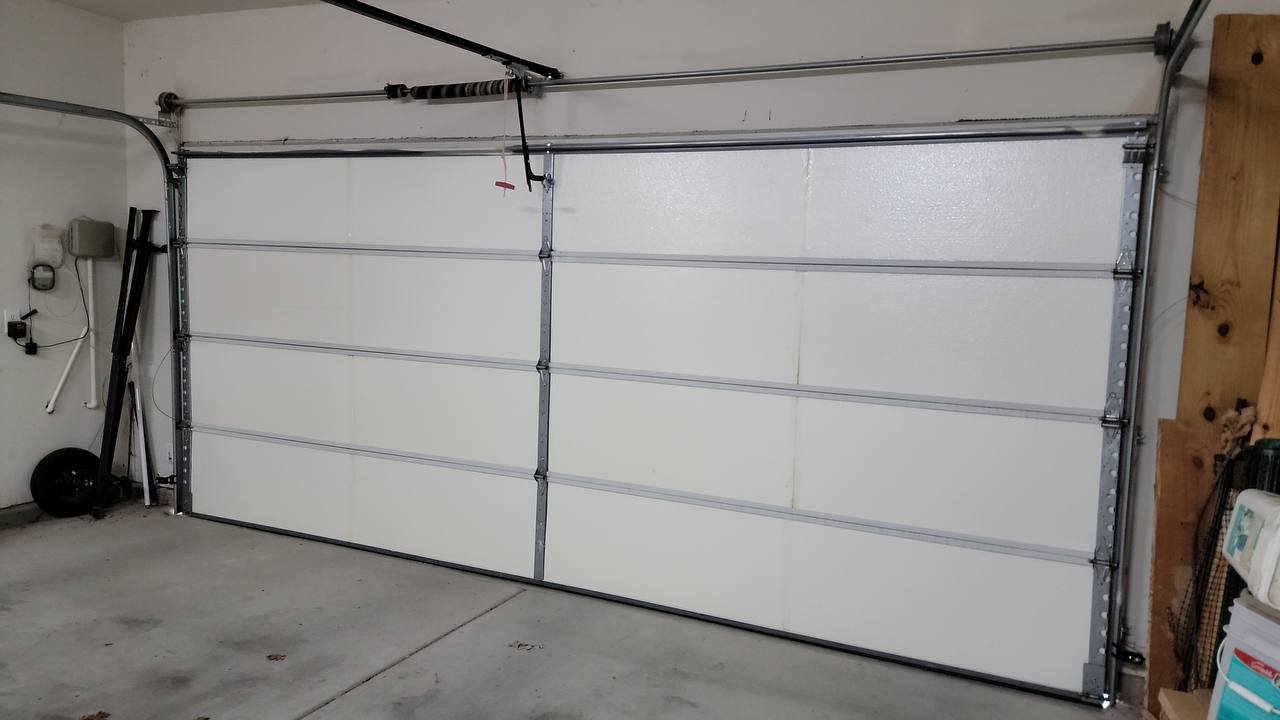
- Insulated steel panels improve energy efficiency in attached garages.
- Repairs often involve replacing individual panels or reinforcing sections—a practical option when the frame is sound.
For no-nonsense garage door repair projects, steel offers a reliable balance of price and performance. If you want local examples or case studies, check our blog for recent jobs in the area: https://garagedoors-livingston.com/blog.
Aluminum: light and modern, with caveats
Aluminum resists rust and is lighter than steel, which reduces strain on springs and openers. It’s a strong option for contemporary designs or wider doors. Consider aluminum when:
- You need a lightweight panel for large openings.
- Corrosion resistance is a priority without heavy-duty insulation.
Aluminum dents more easily than steel, so for garage door repair involving panel replacement, weigh the local benefits against potential damage from impact or heavy snowfall.
Wood: classic looks, higher upkeep
Wood doors are attractive and customizable, but they demand more upkeep in this climate. Choose wood if curb appeal and a traditional look are top priorities. Keep in mind:
- Wood swells and contracts with moisture—regular sealing and paint are essential.
- Repairs may include panel replacement, rot treatment, or reinforcing the frame.
- Wood doors often cost more to repair and maintain over time.
Composite and fiberglass: low maintenance alternatives
Composite and fiberglass doors mimic wood grain without the same maintenance needs. They’re good for homeowners who want a wood look but prefer minimal upkeep. For local garage door repair choices, these materials are often recommended where salt spray or humidity could shorten the life of real wood.
Insulation, R-values, and residential service priorities
Insulation matters if your garage is attached to living space or if you use the garage as a workshop. When planning garage door repair, consider panel insulation and the door’s R-value. Higher R-values improve energy efficiency and reduce drafts.
Common insulation materials used during repairs:
- Polystyrene: inexpensive and effective for moderate insulation needs.
- Polyurethane: higher R-value per inch; foamed-in-place options increase strength.
Your residential service provider should measure the full system—door, seals, and threshold—to recommend a repair plan that increases comfort and lowers heating costs. Learn about available services and upgrade options at https://garagedoors-livingston.com/services.
Local considerations: weather, salt, and timelines
Livingston’s climate and proximity to coastal weather patterns mean corrosion and moisture are real concerns. Ask your technician the following when arranging garage door repair:
- Are panels and hardware treated for corrosion?
- Which seasonal maintenance will extend the repair life?
- How long will parts take to order for my specific material choice?
Typical timelines for common repairs in the area run from same-day fixes for springs and cables to several days when custom panels or insulated doors must be ordered. Planning ahead before winter can avoid longer waits and emergency costs.
Budgeting and lifecycle cost
Initial cost is one factor, but lifecycle cost often favors materials with better corrosion resistance and insulation. For example, a painted steel door with polyurethane insulation may cost more up front than a basic aluminum door, but it can save on energy and require fewer repairs over several years.
Homeowners should request a written estimate detailing material types, warranties, and expected service intervals. Local providers can usually supply real-life examples from nearby projects to help you compare options.
How to work with a Livingston technician on material choices
When you contact a local company for garage door repair, expect a straightforward evaluation process:
- On-site inspection of door panels, tracks, springs, and opener.
- Recommendations tailored to your home’s structure and exposure to the elements.
- A clear estimate that separates material costs from labor.
If you’re ready to schedule an assessment or want a material-focused quote, reach out directly through our contact page and a local technician will follow up: https://garagedoors-livingston.com/contact.
Choosing the right materials for garage door repair can extend the life of your door, reduce long-term costs, and improve energy performance. Whether you prioritize low-maintenance materials, maximum insulation, or keeping a classic wood look, a local Livingston service will help weigh trade-offs and recommend the best option for your home.
Frequently Asked Questions — Livingston, NJ
Q: How does Livingston weather affect material choice for garage door repair?
A: Cold winters and road salt increase corrosion risk. Choose galvanized or coated steel, aluminum with protective finishes, or composite options. Insulation and weather seals are also important to prevent drafts and moisture intrusion.
Q: How long does a typical material-based repair take?
A: Simple panel or spring repairs are often same-day. If parts need ordering—custom wood panels or insulated steel sections—expect 3–7 business days depending on availability and finishes.
Q: What price ranges should I expect for material upgrades during repair?
A: Minor steel panel repairs start lower, while insulated steel or composite replacements cost more. Wood repairs and custom finishes are highest. Ask your technician for a written estimate showing material vs. labor costs.
Q: Are warranties affected by material choice?
A: Yes. Many manufacturers offer different warranties for steel, wood, and insulated doors. Confirm warranty terms on panels, springs, and finishes before finalizing repairs.
Q: Do I need permits in Livingston for major garage door replacement?
A: Most basic repairs don’t require permits, but full replacements that change structural openings or electrical components may. Your service provider can advise and help obtain any necessary permits for Livingston, NJ projects.
Helpful local resources in Livingston, NJ
- Garage Door Repair Hoboken
- Garage Door Repair Montclair
- Garage Door Repair Westfield
- Garage Door Repair Summit
- Garage Door Repair Maplewood
- Garage Door Repair Livingston
- Garage Door Repair Short Hills
- Garage Door Repair Princeton
- Garage Door Repair Red Bank
- Garage Door Repair Morristown
- Garage Door Repair Chatham
- Garage Door Repair Mendham
- Garage Door Repair Bernardsville
- Garage Door Repair Bedminster
- Garage Door Repair Clinton
- Garage Door Repair Tenafly
- Garage Door Repair Ridgewood
- Garage Door Repair Upper Saddle River
- Garage Door Repair Wyckoff
- Garage Door Repair Basking Ridge
- Garage Door Repair South Orange
- Garage Door Repair Teaneck
- Garage Door Repair Fort Lee
- Garage Door Repair East Brunswick
- Garage Door Repair Montvale
- Garage Door Repair Haddonfield
- Garage Door Repair Marlboro
- Garage Door Repair Cranford
- Garage Door Repair Voorhees
- Garage Door Repair North Caldwell