Why materials matter for smart garage systems in Livingston, NJ
Livingston, NJ homeowners face seasonal swings — humid summers, freeze-thaw winters and road salt near some routes — so picking the right materials for smart garage systems affects performance and longevity. A smart garage upgrade blends electronics, sensors and mechanical parts with the visible materials of your garage doors, frames and seals. Choosing wisely reduces maintenance, improves energy efficiency and helps your system handle local conditions.
Key material categories to evaluate
Door panel materials
Door panels are the main visible component and the first defense against weather. For smart garage systems you’ll typically see:
- Steel: Durable and affordable. Steel panels work well with smart openers and accessories because they offer structural stability for sensors and mounts. For Livingston, choose galvanized or powder-coated finishes to resist rust from winter salt.
- Aluminum: Lightweight and corrosion-resistant, good for wider doors. Aluminum pairs well with smart garage systems when coupled with strong reinforcement to minimize flexing that can confuse sensors.
- Wood: Attractive and insulating when solid, but it requires more upkeep. Wood can host smart hardware, but expect seasonal expansion and painting or sealing more often in NJ climates.
- Composite/fiberglass: Low-maintenance and resistant to moisture. These panels combine aesthetics with durability and are a good match for homeowners who want fewer repairs over time.
Insulation and energy considerations
Insulated doors help your garage remain closer to home temperatures, which matters if your smart garage systems include climate sensors, connected appliances or a work area. Look for thermal values (R-values) that match your needs:
- R-0 to R-6: basic insulation, lighter weight, less costly.
- R-7 to R-12+: better energy performance for attached garages or workshops.
Higher R-values reduce HVAC load and improve sensor accuracy for smart garage systems that report temperature or humidity.
Hardware, seals and mounting for smart features
Tracks, springs and rollers
Quality track, spring and roller materials affect noise, balance and lifetime. For smart garage systems, consistent motion is critical; jerky or noisy movement can trigger false alerts.
- Tracks: steel tracks are standard. Look for galvanized or painted finishes for corrosion resistance in NJ.
- Springs: torsion springs in high-grade steel give better balance. Use a trusted professional for spring selection and replacement — springs store energy and can be dangerous if handled incorrectly.
- Rollers: nylon rollers on steel bearings reduce noise and wear, improving sensor lifetime when paired with smart openers.
Weatherstripping and bottom seals
Weather seals are small parts that matter in Livingston. Rubber or PVC seals help keep out drafts, moisture and pests, and protect sensors and electronics from water ingress. Replace brittle seals to maintain insulation and prevent false readings on connected sensors.
Electronics, wiring and compatibility
Smart garage systems combine hardware and software. Material selection influences how electronics are installed and protected.
Mounting surfaces and enclosures
Choose mounting surfaces that hold fasteners securely: solid wood plates, reinforced steel rails or dedicated mounting brackets. Use weatherproof enclosures (NEMA-rated if exposed) for any external modules. Corrosion-resistant screws and anchors will reduce maintenance in NJ’s varied climate.
Wiring routes and conduit
Plan wiring paths with materials that protect cables from abrasion and moisture. Flexible conduit, sealed grommets and cable trays keep sensors, cameras and power lines safe. For retrofit installations, ask technicians to use existing cavities and minimize exterior runs where possible.
Material choices by common homeowner goals
Low maintenance
If low upkeep is a priority, consider composite or fiberglass doors, aluminum frames and stainless-steel fasteners. These materials pair well with smart garage systems because they reduce service calls and help electronics remain stable over time.
Best insulation and efficiency
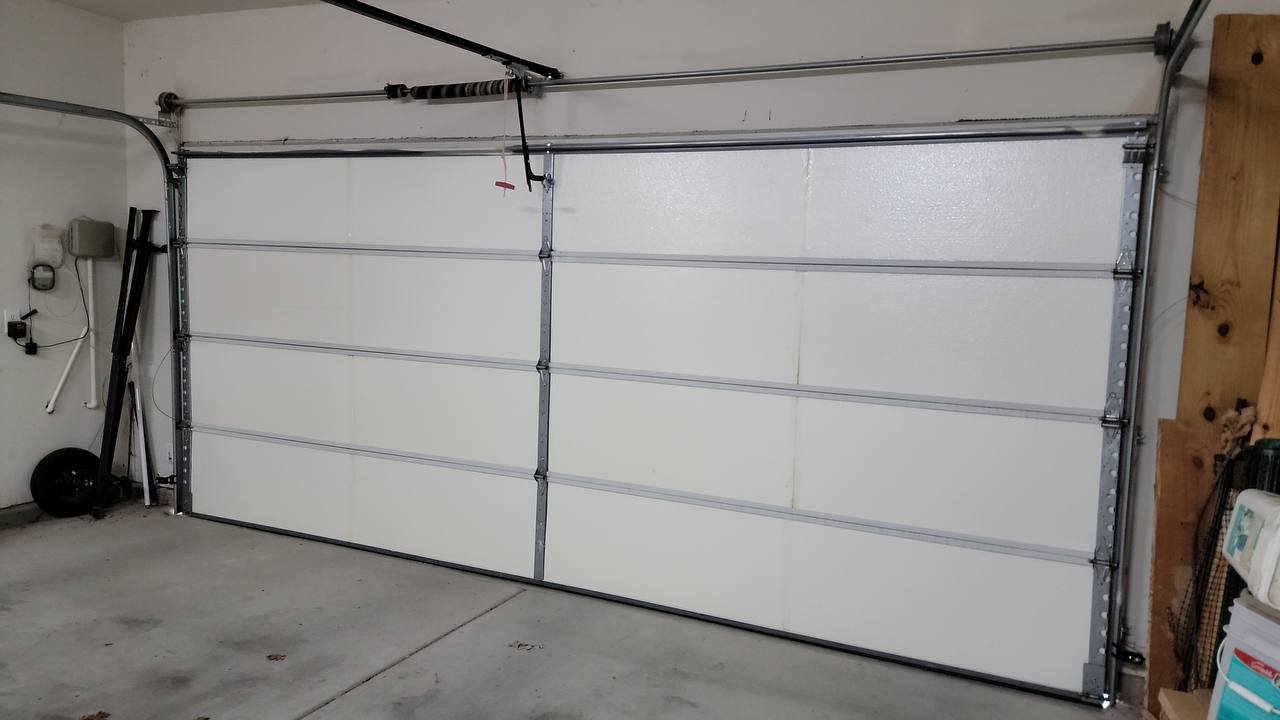
Choose steel doors with injected polyurethane foam cores or high-R-value sandwich panels. Combine these panels with tight seals and insulated headers to protect sensors and reduce condensation that can affect electronic components.
Budget-conscious upgrades
For modest budgets, steel doors with good finishes and upgraded bottom seals provide the best value. Add a reliable smart opener and quality rollers to modernize function without replacing the whole door.
Installation tips for reliable operation
Professional installation matters more for smart garage systems than for basic doors. Proper alignment, secure mounting and correct spring tension ensure sensors and connected devices work as intended.
- Have a technician verify balanced movement and limiter settings so smart openers read position correctly.
- Ensure Wi‑Fi or hub placement provides consistent connectivity; metal doors can attenuate signals in certain positions.
- Request corrosion-resistant hardware where exterior exposure is likely.
For local insight on common material choices and installation standards, see our blog and the detailed options listed under our services.
Maintenance checklist for durable smart garage systems
- Annual inspection of springs, cables and tracks for wear or corrosion.
- Replace weatherstripping every 3–7 years depending on exposure.
- Clean and reseal wood panels seasonally if present.
- Test electronic sensors after any storm or after salt exposure.
- Keep firmware of smart devices up to date and change default passwords.
When to call a local pro
Some tasks—spring replacement, rewiring, or diagnosing intermittent smart-device failures—are best left to licensed technicians. If your door drifts, makes irregular noises, or the smart system reports inconsistent statuses, contact a qualified team to inspect mounting, materials, and electronics. For appointments and to discuss material options tailored to Livingston’s climate, reach out via our contact page.
Smart garage systems NJ choosing the right materials guide — quick summary
- Match door panel material to your priorities: steel for strength, aluminum for lightness, composite for low maintenance, wood for style.
- Prioritize corrosion-resistant hardware in NJ to combat salt and humidity.
- Combine proper insulation with sealed mounts to protect electronics and improve energy use.
- Hire a pro for critical work and annual checks to keep smart features reliable.
Choosing the right materials for smart garage systems protects your investment and keeps connected features working for years. Local professionals know which finishes and fasteners hold up best in Livingston, NJ — and they can recommend options that balance cost, durability and smart capability.
Frequently Asked Questions
Q: Are steel doors a good choice in Livingston’s winter and salted roads?
A: Yes — but choose galvanized or powder-coated steel and stainless fasteners. Use regular inspections for rust-prone areas and replace bottom seals yearly if near heavy salt exposure.
Q: How long does installation of smart garage systems typically take?
A: A straightforward smart opener install with compatible door hardware usually takes 2–4 hours. Full door replacement with smart integration can take a half day to a full day depending on custom materials and insulation.
Q: What price range should Livingston homeowners expect for a materials-focused upgrade?
A: Basic upgrades (new opener, rollers, seals) start in the low hundreds. Mid-range options (steel insulated door + smart opener) typically range from $1,200–$3,000. High-end wood or composite doors with full smart integration can exceed $4,000. Local climate-resistant finishes add cost but lower long-term maintenance.
Q: Are permits required in Livingston for replacing garage doors or adding smart electronics?
A: Permits are uncommon for simple door replacement, but structural changes or electrical hardwiring may need local permits or inspections. Check with Livingston building officials before major modifications.
Q: Do manufacturers provide warranties that cover smart components affected by weather?
A: Warranties vary. Mechanical door warranties typically cover panels and springs for a set period; smart electronics have separate warranties. Choose weather-rated electronics and confirm warranty terms for moisture and corrosion coverage.
Helpful local resources in Livingston, NJ
- Garage Door Repair Hoboken
- Garage Door Repair Montclair
- Garage Door Repair Westfield
- Garage Door Repair Summit
- Garage Door Repair Maplewood
- Garage Door Repair Livingston
- Garage Door Repair Short Hills
- Garage Door Repair Princeton
- Garage Door Repair Red Bank
- Garage Door Repair Morristown
- Garage Door Repair Chatham
- Garage Door Repair Mendham
- Garage Door Repair Bernardsville
- Garage Door Repair Bedminster
- Garage Door Repair Clinton
- Garage Door Repair Tenafly
- Garage Door Repair Ridgewood
- Garage Door Repair Upper Saddle River
- Garage Door Repair Wyckoff
- Garage Door Repair Basking Ridge
- Garage Door Repair South Orange
- Garage Door Repair Teaneck
- Garage Door Repair Fort Lee
- Garage Door Repair East Brunswick
- Garage Door Repair Montvale
- Garage Door Repair Haddonfield
- Garage Door Repair Marlboro
- Garage Door Repair Cranford
- Garage Door Repair Voorhees
- Garage Door Repair North Caldwell