Livingston, NJ homeowners face a range of weather and wear issues that affect garage doors. When planning garage door replacement, knowing which parts to replace and when can save time and money. This guide breaks down common failure points, realistic timelines, and the decisions that make a full garage door replacement necessary.
Quick signs you need part replacement before a full door swap
Not every problem requires full garage door replacement. Many failures start with a single component that, if caught early, prevents further damage. Look for these clear signs:
- Too much noise: grinding or scraping that lubrication and rollers don’t fix.
- Sagging or uneven panels when opening — a hint of broken springs or track issues.
- Slow or jerky movement suggesting opener or sensor faults.
- Visible rust, bent tracks, or frayed cables — these can fail suddenly and are safety risks.
- Gaps or warped panels letting weather into the garage — lowering energy efficiency.
Spotting one of these in Livingston, NJ often means replace the faulty part now to avoid escalating to a full garage door replacement project.
Which parts to replace and when
This section looks at each major component and the typical trigger for replacement versus repair. These recommendations help homeowners decide whether a simple part swap or a full garage door replacement is the most cost-effective path.
Springs: safety-critical and time-sensitive
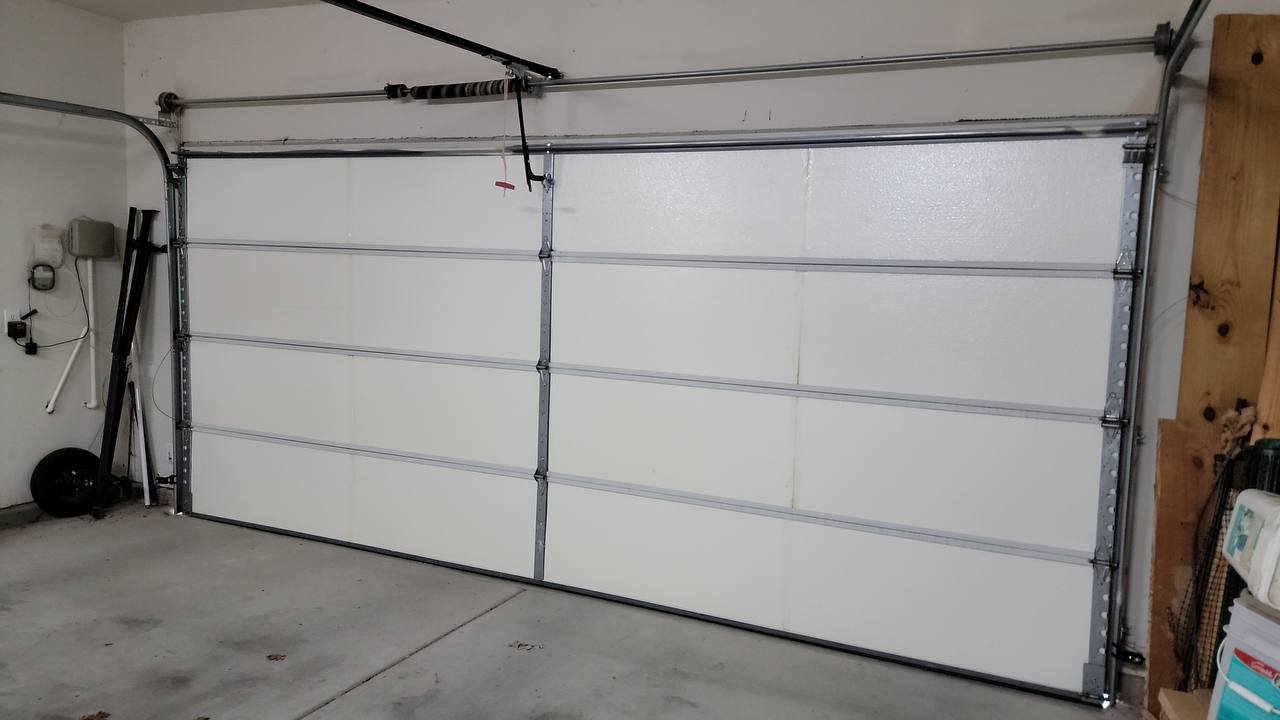
Torsion or extension springs are the most frequent cause of sudden failure. If a spring breaks, do not try to open the door manually. Replacement of springs is usually required rather than repair. Consider replacing springs when:
- You hear a loud snap or the door becomes extremely heavy to lift.
- Counterbalance is inconsistent during a door cycle.
- Springs show visible gaps or severe rust and are near the end of their rated cycles.
Because springs are under high tension, a licensed technician should handle spring replacement during a garage door replacement or as a standalone service.
Cables, rollers and tracks: wear that escalates fast
Frayed cables, seized rollers, or bent tracks usually begin as small issues and accelerate. Replace cables if you see fraying or uneven winding on the drum. Rollers that rattle or stick are inexpensive to replace and will improve door balance and lifespan. Tracks should be straight and secure; a bent track can damage panels and may lead to full garage door replacement if ignored.
Panels and seals: cosmetic or structural decisions
Single-panel damage or isolated dents can be replaced on many doors, but repeated corrosion or multiple dented sections often justify full garage door replacement. Replace bottom seals and weatherstripping when you notice drafts, standing water in the garage after rain, or rodents gaining entry.
Openers and electronics: upgrade or replace
Opener failures present as intermittent operation, slow travel, or dead remotes. Replace the opener when repairs exceed 50% of a new unit cost or when the unit lacks modern safety features like rolling-code remotes and smart controls. If you’re doing a garage door replacement for a new-style, insulated door, pairing it with a modern opener improves performance.
For a complete list of replacement services and upgrades, see our services page.
Cost ranges and typical timelines in Livingston, NJ
Local factors — humidity, winter salt, and suburban usage patterns — affect part life. Here’s a practical breakdown of cost and scheduling expectations:
- Springs: $150–$350 installed; same-day service is common for emergencies.
- Cables: $75–$200; often handled in one visit.
- Rollers: $3–$15 each depending on material; a one-hour job for a 16-panel door.
- Opener replacement: $350–$800 installed, depending on horsepower and features; typically a same-day or next-day install.
- Panel replacement: $200–$700 per panel for standard steel doors; timing depends on availability and color matching.
If multiple components show wear, combining replacements during a planned garage door replacement saves labor costs and ensures balanced operation. Weather in Livingston — cold winters and humid summers — accelerates rust and wear, so budget conservatively.
Make the decision: repair parts or full garage door replacement?
Ask these practical questions to choose:
- How old is the door system? If over 15–20 years, a full garage door replacement often makes sense.
- Are multiple components failing? If yes, replacement may be cheaper long-term.
- Do you want energy savings or a new look? New insulated doors offer clear HVAC benefits for attached garages.
- Is safety a concern? A broken spring or frayed cable should be addressed immediately.
When you’re undecided, a professional inspection provides a prioritized repair plan and a clear cost comparison to garage door replacement. For maintenance tips and deeper reading, check our blog with local examples and seasonal advice.
Preparing for service and warranty considerations
Before a technician arrives in Livingston, NJ, clear the area, disconnect any DIY-installed openers, and note unusual noises or times the issue occurs. Ask your technician to:
- Explain whether a single part swap fixes the root cause or only delays a full garage door replacement.
- Provide a written estimate that separates parts and labor.
- Confirm warranty coverage on replacement parts and workmanship.
Typical parts warranties vary: springs and openers often have 1–5 year warranties; panels may carry manufacturer coverage. Keep receipts and ask about extended labor warranties if you plan to stay in the house long-term.
If you’re ready to schedule an inspection or want a quick quote, please contact our Livingston team today.
Deciding between repair and replacement is a common home improvement choice for homeowners. A targeted part replacement can restore function quickly, but a strategic garage door replacement improves curb appeal, safety, and insulation — important in New Jersey’s seasonal climate.
Frequently Asked Questions
Q: Does Livingston’s winter weather mean I should replace springs sooner?
A: Yes. Cold snaps and road salt increase metal fatigue and corrosion. If springs show rust or your door is older than 10 years, plan for replacement before a winter failure.
Q: How long does a typical part replacement take versus full garage door replacement?
A: Individual parts like springs, cables, or rollers are often replaced in 1–3 hours. A full garage door replacement usually takes 3–6 hours, depending on door size, opener swap, and panel finish.
Q: What price range should Livingston homeowners expect for emergency spring replacement?
A: Emergency spring replacement in the area typically runs $200–$400 installed. After-hours or holiday calls can be higher, so schedule preventive maintenance when possible.
Q: Are permits required for garage door replacement in Livingston, NJ?
A: Most residential part replacements don’t need permits. A full garage door replacement that changes structural openings or electrical wiring may require a permit — confirm with your township or your contractor.
Q: Do replacement parts come with transferable warranties?
A: Parts often have manufacturer warranties, but labor warranties are company-specific and may not transfer. Ask for written warranty details before service.
Helpful local resources in Livingston, NJ
- Garage Door Repair Hoboken
- Garage Door Repair Montclair
- Garage Door Repair Westfield
- Garage Door Repair Summit
- Garage Door Repair Maplewood
- Garage Door Repair Livingston
- Garage Door Repair Short Hills
- Garage Door Repair Princeton
- Garage Door Repair Red Bank
- Garage Door Repair Morristown
- Garage Door Repair Chatham
- Garage Door Repair Mendham
- Garage Door Repair Bernardsville
- Garage Door Repair Bedminster
- Garage Door Repair Clinton
- Garage Door Repair Tenafly
- Garage Door Repair Ridgewood
- Garage Door Repair Upper Saddle River
- Garage Door Repair Wyckoff
- Garage Door Repair Basking Ridge
- Garage Door Repair South Orange
- Garage Door Repair Teaneck
- Garage Door Repair Fort Lee
- Garage Door Repair East Brunswick
- Garage Door Repair Montvale
- Garage Door Repair Haddonfield
- Garage Door Repair Marlboro
- Garage Door Repair Cranford
- Garage Door Repair Voorhees
- Garage Door Repair North Caldwell